
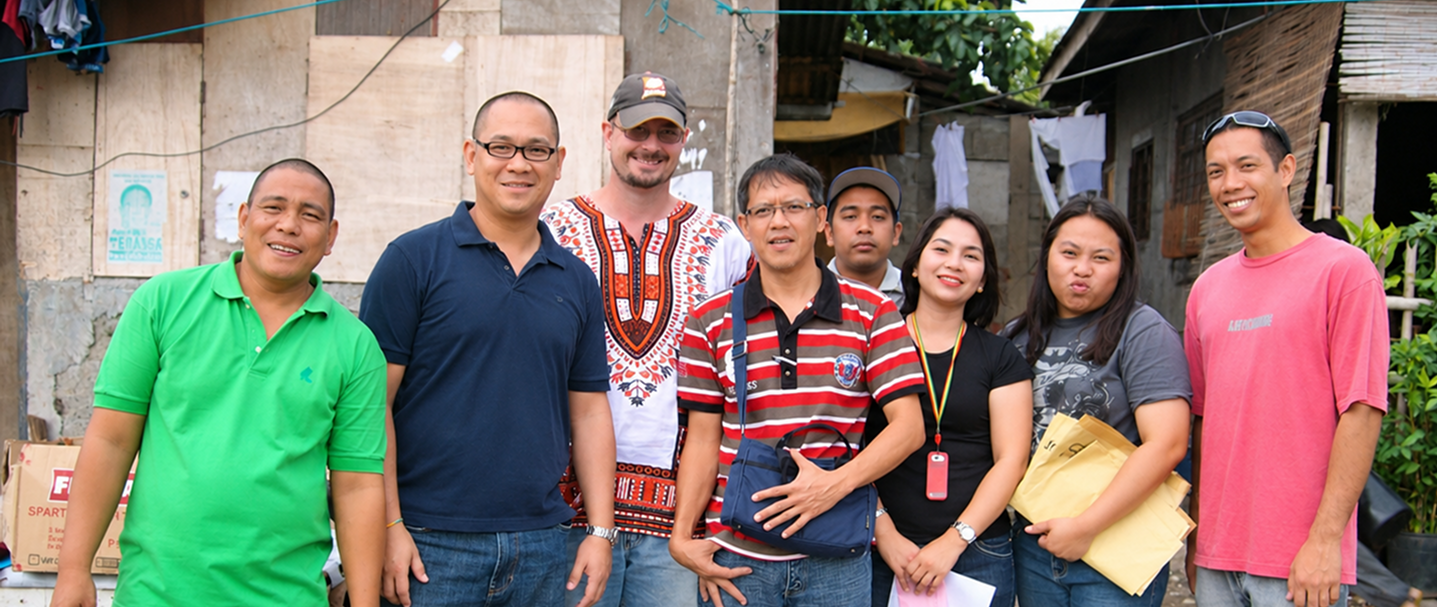
September 2026 marks the 20th anniversary of A Single Drop for Safe Water Inc. Over the past 20 years, the organization has evolved in its approach, its partnerships, and the way it works with LGUs and communities.
My journey in the Philippines began in 2004, when I was assigned as a Peace Corps volunteer in Ambaguio, Nueva Vizcaya. A water system was constructed during my time there in 2005, marking the starting point of this journey. In 2026, we will close the circle by implementing a large-scale upgrade of that same water system.
This follows a WaSH and DRRM planning project and the implementation of a household information system, all funded by The Church of Jesus Christ of Latter-day Saints. Everything we have learned and developed throughout the organization’s history has come together in these projects.
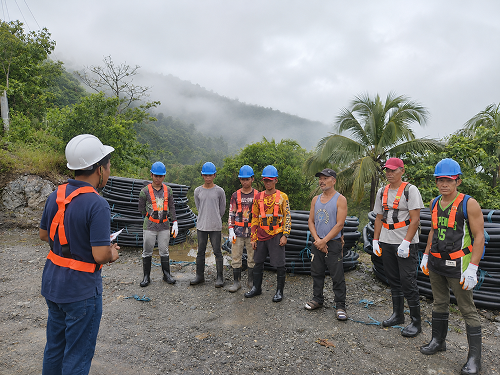
They demonstrate our transformation from an infrastructure-based approach to one driven by governance and behavior change, resulting in effective and sustainable infrastructure that contributes to more resilient and potentially thriving communities.
What we are most proud of at ASDSW-SDCS and DataBridge Technology Solutions Inc. is our willingness to adapt to an ever-changing environment on our own terms, based on feedback from our partners on the ground and the evolution of governance in the Philippines.
“What we are most proud of at ASDSW-SDCS and DataBridge Technology Solutions Inc. is our willingness to adapt to an ever‑changing environment on our own terms”
Governance has changed significantly over this period. LGUs have become more accountable and mandate-driven, while citizens are more aware and actively involved in their own development. Within WaSH and DRRM, the policy landscape has acknowledged behavior change, investment, and governance as key pillars of development. The focus now is on building and sharing the tools and knowledge LGUs need to put these into practice.
Impact numbers are always exciting and make for great graphics, but I’m not going to list them here.
Instead, I want to pay tribute to the more than 100 staff and management who have contributed to this evolution. From temporary staff involved in major responses to those who worked with us for shorter periods as implementers, we are grateful for their role in facilitating large-scale projects. These projects often fed into discussions about how to scale impact and prove our theories of change.
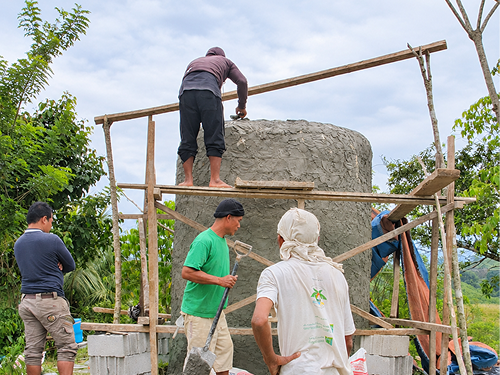
Many of our staff have been with us long-term, building our theories of change, leading implementation, and shaping the culture of the organization. Others have moved on to government and other organizations, taking their lessons and experience with them and potentially influencing government and the private sector through the culture of ASDSW
Our Board has been exceptional, backing the team through difficult times and ensuring that credit for the good times goes to the right people. Gemma Bulos, as the original Chair, enabled the organization to get off the ground and influenced our early work. Mags Maglana’s contributions later fundamentally changed the organization into a Governance Organization that does WaSH.
We have worked with many stakeholders who gave ASDSW-SDCS opportunities to try, fail, and try again. Paul Del Rosario and Oxfam challenged us to become humanitarian responders and allowed us to do it our way, championing communities as active participants in their own recovery.
Mira Bacatan, through her work with Oxfam and UNICEF, along with Mike Gnilo and UNICEF’s WaSH Chiefs, provided input into our programs and opportunities within the development and humanitarian sectors. These relationships allowed us to prove our theories of change and influence policy development.
The Church of Jesus Christ of Latter-day Saints has also been a major part of our journey. Beyond the funding, its willingness to listen, learn, and evolve with us as a funder has been fundamental to our growth.
As a Governance Organization that does WaSH and DRRM, local governments are the most critical component of the process. We have found that the LGUs we work with always want to do the right thing. Once they have the tools and knowledge they need, our role is to get out of the way.
“Once they have the tools and knowledge they need, our role is to get out of the way”
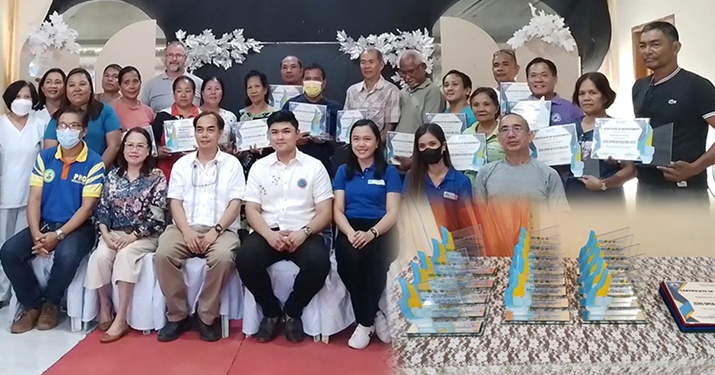
From barangay to provincial level, there are heroes at every level of government. Chief executives and legislators are all part of the process. They have been instrumental in implementing programs and helping us understand how government works and how we can be more effective. Our working relationships with LGUs are part of the ASDSW-SDCS culture and often extend beyond the parameters of a project.
We also recognize how LGU culture has changed over the past 20 years, becoming more accountable and mandate-driven, with a greater willingness to learn and adapt.
Much of our work is with communities: building water systems and their management organizations, supporting their active participation in emergency response, ensuring accurate data gathering, and changing social norms around WaSH behaviors.
“Communities are not beneficiaries, but partners in moving towards the ability to thrive”
Communities are not beneficiaries, but partners in moving towards the ability to thrive. Their stories of commitment, sacrifice, bravery, and hope are humbling. They remind us of our responsibility to meet our mandate, uphold our promises, and remain accountable to our partners.
All the people involved have contributed to Gemma and me becoming Echoing Green Fellows and to my recognition as an Ashoka Fellow. Ashoka envisions “a world where everyone is a changemaker.” For 20 years, we have worked alongside changemakers across the development and humanitarian sectors.
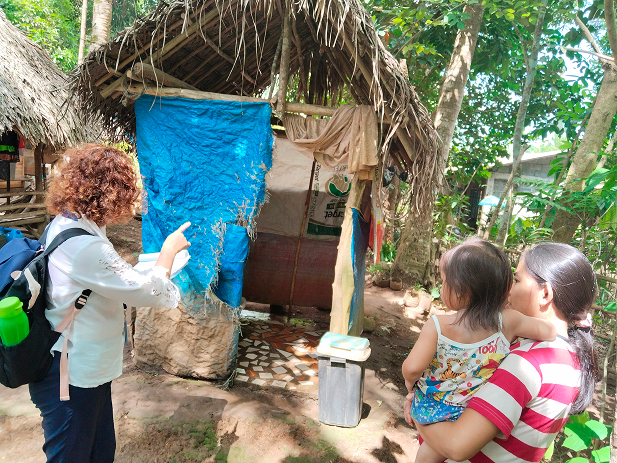
What we are most proud of is not simply what we have built, but our willingness to adapt, learn, and work with others to make lasting change possible.
As we say,
“WaSH is not about pumps, pipes, toilets and soap, it’s about people”